

A Complete Guide to Getting Hair Transplants in 2026
Last update : 16 Avr 2026
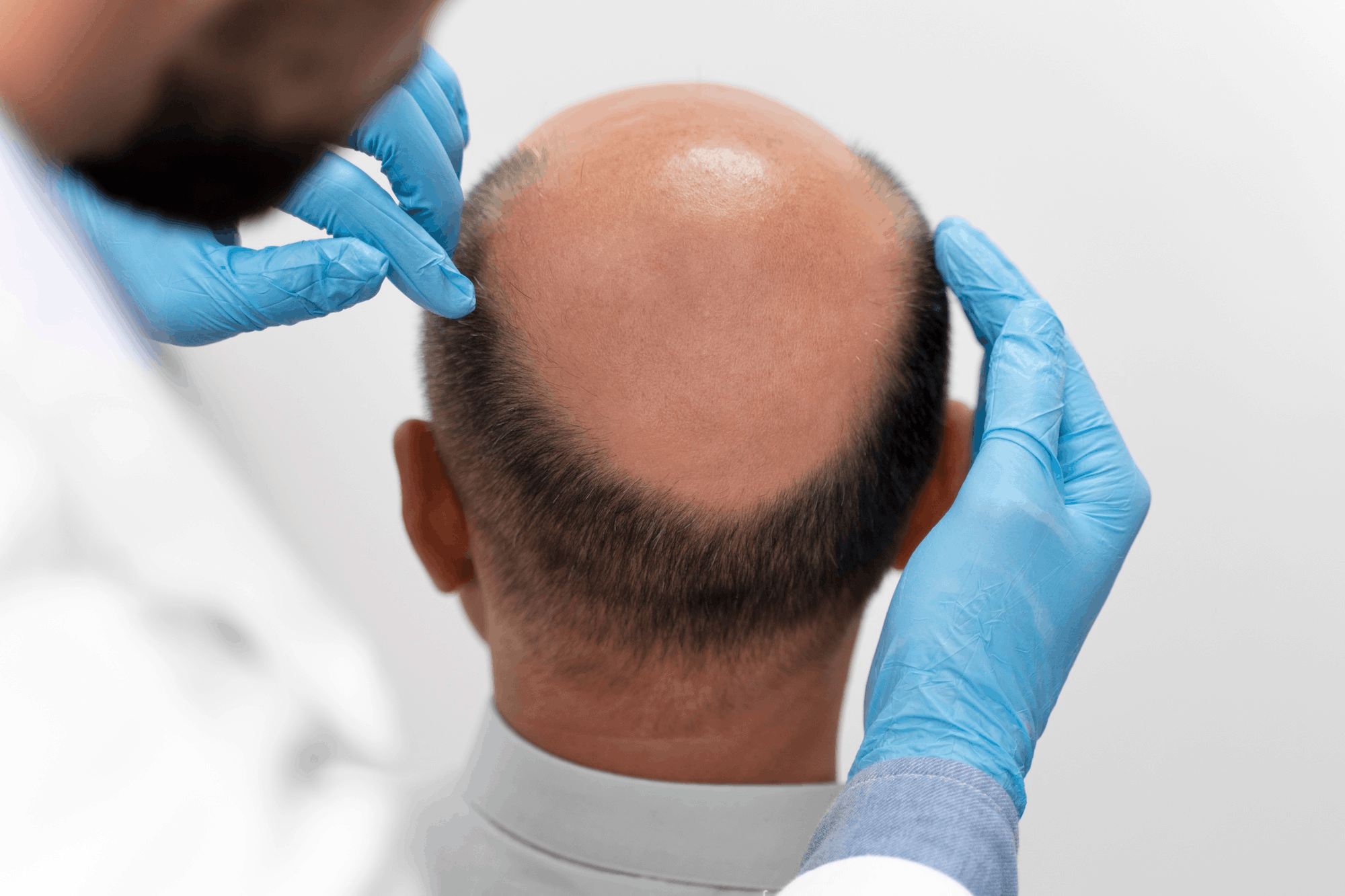
Hair transplant is a transformative process that restores your hair while increasing your confidence. Having adequate knowledge helps you choose the right technique and clinic.
Male-pattern baldness affects around 50% of Canadian men, and around 40% of women experience certain signs of thinning hair by age 50. This indicates that there is a need for hair transplants among Canadians.
Hair loss occurs due to stress and hormonal imbalance. However, most cases are hereditary, and that happens with aging. In this Industry 4.0 era, different technologies have emerged that have revolutionised hair restoration. With AI and robotics, hair transplantation is going to be more convenient in 2026. This blog guides you in obtaining a core knowledge of hair transplant.
What is a Hair Transplant?
Hair transplant refers to a surgical procedure that moves hair to bald or thinning areas of your scalp. This is mainly acknowledged by people who have already opted for other hair loss treatments but failed to achieve the desired outcomes.
Referring to the hair transplantation procedure, a healthcare provider takes grafts from the healthy hair area (donor site) of your body to the hairless part (recipient site) of the scalp. With the healing of the transplanted skin, it continues to grow hair. Well, transplanted hair might not look exactly like natural hair because it is genetically resistant to the dihydrotestosterone (DHT) hormone.
What are the Top Hair Transplant Procedures?
Are you planning to have a hair transplant in 2026? If yes, here are the different procedures that you can consider.
| Transplantation Procedure | Advantages | Disadvantages |
| Follicular unit transplantation | Time-saving, painless, and long-lasting | High recovery time, strict aftercare policies, and inapplicable for scalps that are too tight or loose |
| Follicular Unit Extraction | No stitches, no visible scars, and a low post-procedure discomfort | Expensive and time-consuming |
| Direct Hair Implantation | Ensuring a natural hairline, no need for incisions, and higher control over depth and direction | Time-consuming, costly, and requires an extensive amount of hair follicles |
Table 1: Pros and Cons of Hair Transplantation Procedures
Let’s talk about the procedures in detail.
Follicular Unit Transplantation (FUT)
Follicular Unit Transplantation refers to a medical process where a strip of scalp (with hair) is surgically removed. This is done from the side or the back of the scalp. The strip is split into individual follicular units and implanted in the site experiencing serious hair loss.
In this treatment procedure, the donor site is stitched closely. Hence, a fine linear scar is left. This treatment is not suggested for people with bleeding disorders, autoimmune diseases, uncontrolled diabetes, etc.
Follicular Unit Extraction (FUE)
Follicular Unit Extraction is a hair transplant procedure where individual follicular units (natural clusters of hairs with 1-4 hairs each) are removed from the back side of your head. In some cases, the clinician might consider the beard or other body parts. The follicles are transplanted into balding areas of the scalp.
Tiny punches ranging from 0.7 to 1.2 mm are used by FUE to harvest these follicular units. The three types of punches are manual, robotic, and motorized. If you have extensive hair loss or poor donor hair quality, then you must not go for this procedure.
Direct Hair Implantation (DHI)
Direct Hair Implantation refers to a technique where a specific implanter pen (Choi Implanter pen) is used to extract hair follicles from a donor site and implanted them directly into the scalp. This is a modified version of FUE.
While executing this procedure, the surgeon applies local anesthesia. This procedure is not recommended for people with unstable hair loss, heart disease, scalp infections, etc.
Apart from the main procedures, often patients go for the PRP therapy to deal with hair loss. Here, platelets from your own blood are used to stimulate hair growth. Well, this is not an exact form of hair transplantation.
What are the Different Steps of the Hair Transplant Procedure?
Let’s talk about the different steps of the hair transplant process.
Pre-Surgery
Before the surgery, your scalp and hair quality are evaluated by the dermatology specialist. Here, a natural-looking hairline is designed while talking about the results. Also, donor hair from the back side of the scalp is trimmed.
During Surgery
The surgery process begins with applying local anesthesia. This is followed by graft extraction. The extracted grafts are sorted by hair count. The recipient site is prepared, and little incisions are made in the bald areas. The grafts are placed carefully in the recipient’s sites.
Post-surgery
After the surgery, you need to follow the instructions of the doctors regarding healing. Also, take medicines as advised.
What is the Recovery Timeline of Hair Transplant?
Before you go for any hair replacement procedure, you need to be aware of the recovery phase. Here is the hair transplant surgery recovery timeline.
| Time | What to Experience |
| Day 1-7 | Peak swelling and formation of scabs |
| Week 1-2 | Falling off of scabs and fading of scalp redness |
| Week 3-4 | Shedding of transplanted hairs |
| Month 2-4 | Appearance of tiny hairs and the occurrence of slow and steady hair growth |
| Month 5-8 | Significant hair growth and an increase in hair volume |
| Month 9-12 | Visible hair density and emergence of a natural look |
| Month 12-18 | Final result |
Table 2: Recovery Timeline of Hair Transplant
What are the Side Effects of Hair Transplant Surgery?
Hair transplant is safe and effective. However, it has potential side effects and risks. The common side effects of hair transplant surgery are scarring, itching, swelling, and redness. Meanwhile, these are temporary and go away with time.
You might experience infection or shock loss, but these are not so common. In rare cases, you might have to deal with poor graft survival or an unnatural hairline. You need to consult your doctor if the temporary side effects persist or if you witness the rare symptoms.
How Long Does a Hair Transplant Last?
The longevity of hair transplants has remained debatable over the years. Well, transplanted hairs can last for 0 to 12 months (short-term) or for more than 10 years (long-term). Different factors contribute to this longevity. These include:
| Factor | Impact on Results | Longevity Effect |
| Donor hair quality | High | Over 20 years |
| Surgical technique | Very high | Permanent |
| Age at procedure | Medium | Longer if earlier |
| Genetics | Medium | Affects the surrounding hair |
Table 3: Longevity of Hair Transplant
Hair Transplant Aftercare and Maintenance
Have to undergone a hair transplant surgery? If so, follow the stated aftercare tips.
- Consume the prescribed medications as advised by your doctor
- Drink adequate water and prefer a balanced diet to support healing
- Wear loose caps when you go out to protect from the UV rays
To Conclude
Hair transplant is going to be a more preferred option for treating hair loss in 2026. The main treatment procedures are Follicular Unit Transplantation, Follicular Unit Extraction, and Direct Hair Implantation. To achieve the full result, you need to wait for around 12 to 18 months. The probable side effects of hair transplant surgery are scarring, itching, swelling, etc.
Planning for a Hair Transplant?
We are a leading clinic for hair transplantation in Canada. Visit us and get your condition checked by experienced clinicians. Get your treatment done and regain your confidence.
Frequently Asked Questions
1. Is Hair Transplant Permanent?
Hair transplant offers a permanent result if you choose the right procedure. This is because transplanted hair follicles are taken from DHT-resistant areas, and they continue to grow for life. Also, balding is resistant because hair from your scalp is genetically programmed.
2. Are Hair Transplants With Cloned Hair Possible?
Hair cloning for transplants is not yet available commercially. In this process, the cloned hair follicle is created in vitro via a growth medium. Laboratory techniques are used to solve the hair loss problem in hair cloning. This process is expected to gain commercial status in the future.
3. How Painful is Hair Transplant Recovery?
In short, no. This is because the doctor will use local anesthesia during the procedure. Well, the process is not fully painless. You will feel pressure during the numbing injections. However, post-surgery discomfort is not so painful.
4. Can a Hair Transplant Affect Your Brain?
No, a hair transplant does not affect your brain. The primary reason for this is that the procedure is primarily performed on your scalp, which is located well above the protective skull. Hence, there is no brain interference.