

Private Gastroscopy in Montreal: A Complete Guide
Last update : 17 Août 2026
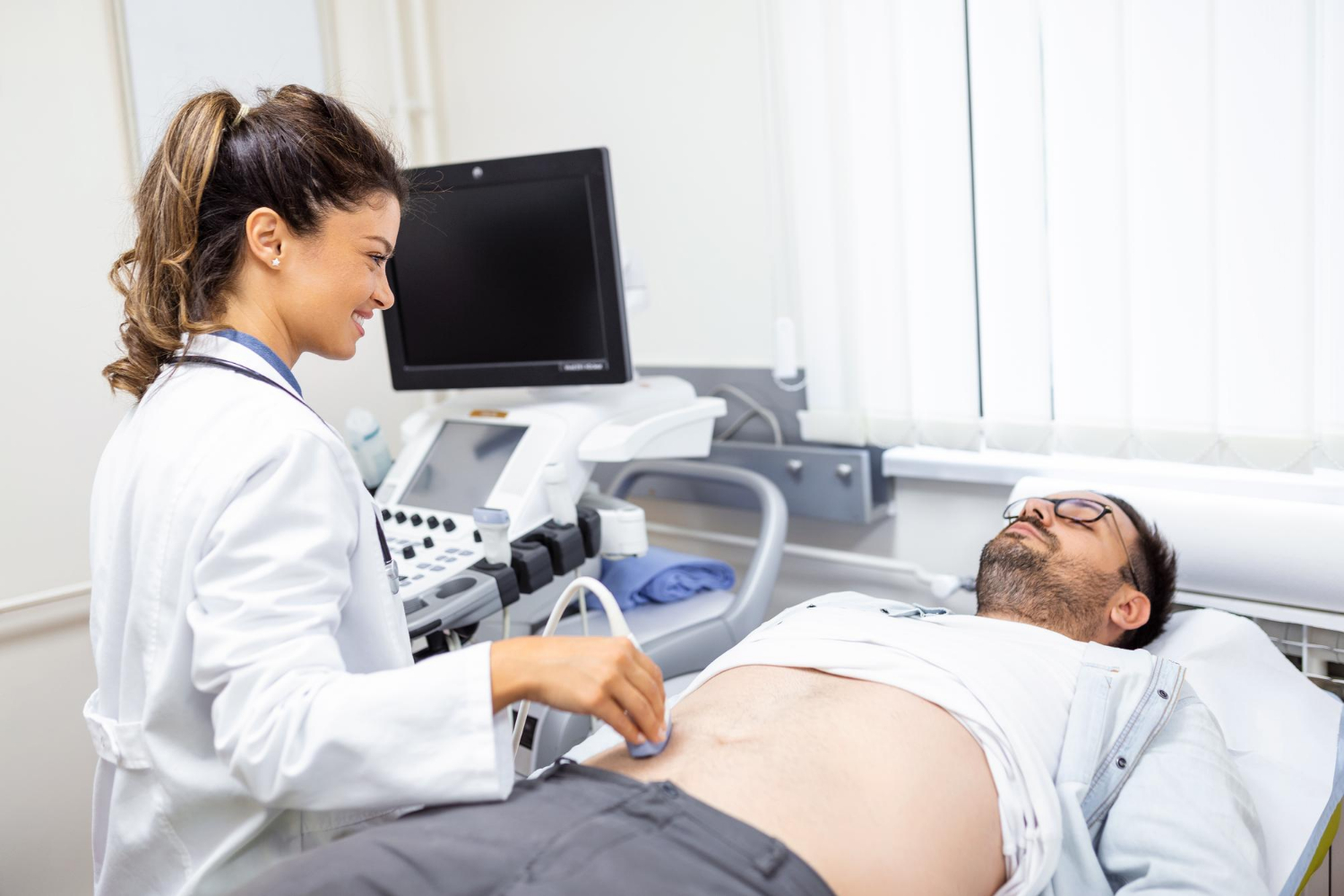
A private gastroscopy in Montreal allows patients to undergo an upper digestive tract examination with easier scheduling and specialist-led care. The procedure helps identify causes of digestive symptoms such as ulcers, inflammation, bleeding, and abnormal tissue changes while providing timely diagnostic evaluation.
Key Takeaways
- Access: Private gastroscopy clinics may offer faster scheduling and convenient appointment options compared with traditional healthcare pathways
- Procedure: Gastroscopy examines the esophagus, stomach, and duodenum to identify digestive abnormalities
- Preparation: Following fasting instructions, medication guidance, and clinic recommendations helps ensure a smooth procedure
- Cost: Private gastroscopy pricing depends on included services such as consultation, sedation, biopsy, and follow-up care
Accessing diagnostic procedures through the public healthcare system can sometimes involve longer wait times. For patients experiencing persistent digestive symptoms, private clinics may provide faster scheduling options, easier access to specialist consultations, and a more convenient pathway to evaluation.
This guide explains everything you need to know about private gastroscopy in Montreal, including the procedure, preparation steps, benefits, costs, and what to expect before and after the examination.
What Is Gastroscopy and Why It Is Needed?
Gastroscopy is an upper gastrointestinal endoscopy procedure that allows a gastroenterologist to examine the inside lining of the esophagus, stomach, and duodenum. During the procedure, a thin flexible tube with a camera and light is passed through the mouth to capture images of the upper digestive tract.
A gastroscopy may be recommended when symptoms require further investigation or when a doctor needs to examine the upper digestive system for possible abnormalities.
Investigate Symptoms: Often, people deal with issues like persistent abdominal pain or nausea, difficulty swallowing, or vomiting. You might not be aware of the causes. Well, a gastroscopy is the perfect test to identify the causes.
Detect Conditions: A gastroscopy is considered to assess the throat, esophagus, and duodenum. This helps to detect conditions like inflammation, bleeding, ulcers, etc. In addition, this is used to detect celiac disease, GERD, and H. pylori infections.
Checking Cancer: If the doctor notices suspicious areas during the examination, a small tissue sample may be collected through a biopsy. The sample is then analyzed to identify conditions such as abnormal cell changes or cancer.
What Are the Key Benefits of Gastroscopy in a Private Clinic in Montreal?
Private clinics may offer patients more convenient access to a private gastroscopy (gastroscopie privé) through flexible scheduling options and specialist consultations. The exact process and availability depend on the clinic.
Faster Access to Diagnostic Evaluation: One of the main reasons patients consider private gastroscopy in Montreal is the possibility of shorter waiting periods compared with traditional healthcare pathways. Faster scheduling can help patients receive evaluation sooner when digestive symptoms require attention.
Convenient Booking Options: What makes a private clinic a consideration over a public clinic is that that the former offers direct-access booking. Hence, you can skip the mandatory preliminary office consultation. We provide same-day walk-in consultations at our clinics in Mont-Royal, Longueuil, Montreal, West Island, etc. You need to call or book online before visiting a clinic.
Same-Day Results: A private clinic provides same-day results. When you consider us for gastroscopy, we will provide same-day results for visual findings. If a tissue sample (biopsy) is taken, the pathology lab results take several weeks to process.
Understanding the differences between public and private healthcare pathways can help patients decide which option best suits their needs, especially when timely access to diagnostic procedures is important.
| Factor | Public Healthcare Route | Private Gastroscopy Clinic |
| Appointment availability | May involve longer waiting periods | May provide faster scheduling options |
| Booking process | Often follows referral pathways | Clinic-specific booking process |
| Consultation access | Depends on healthcare pathway | Direct clinic coordination |
| Cost | Covered when eligible under provincial healthcare plans | Usually involves out-of-pocket payment |
Table 1: Comparison of Public and Private Gastroscopy Access in Montreal
Who Should Consider a Gastroscopy?
A doctor may recommend gastroscopy when symptoms require closer evaluation or when certain risk factors are present.
- Persistent heartburn or acid reflux symptoms
- Difficulty swallowing
- Ongoing nausea or vomiting
- Upper abdominal pain
- Unexplained digestive symptoms
- Abnormal findings from previous examinations
How to Prepare for a Gastroscopy?
Here are the areas you need to keep in mind before you appear for a gastroscopy in Montreal.
Booking: As you do not require a referral for gastroscopy in Union MD, you need to visit our clinic and book the test. The gastroenterologist will provide you with the necessary details.
Fasting Instructions: Don’t eat any solid food after midnight on the day before the test. You need to stop any kind of liquid consumption (water, milk, tea, coffee, etc.) at least 2 to 4 hours before the procedure. Avoid chewing gums.
Medication Management: Inform your doctor about all medications, supplements, allergies, and existing health conditions before your appointment. This includes blood thinners, diabetes medications, and other prescriptions. Your healthcare provider will advise whether any adjustments are required before the procedure.
Gastroscopy Preparation Checklist
✓ Follow fasting instructions provided by your clinic
✓ Share your complete medication list
✓ Inform your doctor about allergies and medical conditions
✓ Arrange transportation if sedation is planned
✓ Wear comfortable clothing on the day of the procedure
What Happens During a Gastroscopy in a Private Clinic?
Here are the steps through which you need to go through during a private gastroscopy in Montreal.
Step 1: Arriving at the Clinic
When you arrive at our clinic, you will complete the required registration and preparation steps before meeting the gastroenterologist. Our gastroenterologist will review your medical history and will setup an IV for sedation.
Step 2: Sedation
You need to lie comfortably on your left side. The doctor will place a small cannula in your arm to provide a sedative for relaxation. In addition, a local spray will be given in your throat to make it numb.
Step 3: The Gastroscopy Procedure
During the procedure, a thin and flexible tube is inserted through your mouth. The camera present in the tube examines your esophagus, stomach, and duodenum. The overall procedure lasts for 10 to 15 minutes.
Step 4: Recovery
After the examination is over, you will have to rest in a recovery room for 30 to 60 minutes. Well, you need to stay there until the sedation wears off.
What Is the Cost of a Private Gastroscopy in Montreal?
Compared to a public clinic, you need pay more when you consider a private gastroenterologist (Gastroenterologue Privé). At Union MD, we charge $1500 (additional fees might apply) for a gastroscopy. Well, price varies based on sedation and biopsy.
Provincial healthcare plans like RAMQ does not cover gastroscopy in Union MD. Well, the expense can be reimbursed via your personal private insurance provider.
Understanding what is included in the cost of a private gastroscopy helps patients plan better and avoid unexpected expenses. The table below outlines the common components associated with the procedure.
| Cost Component | What It May Include |
| Pre-procedure consultation | Review of symptoms, medical history assessment, and preparation guidance before the procedure |
| Gastroscopy procedure | Examination of the esophagus, stomach, and duodenum using a camera-equipped endoscope |
| Sedation or local anesthesia | Comfort measures provided during the procedure; additional charges may apply depending on the clinic |
| Biopsy | Collection and testing of tissue samples if required during the examination; pathology fees may vary |
| Follow-up report | Discussion of findings, visual examination results, and further recommendations if needed |
Table 2: Cost Components Included in a Private Gastroscopy Procedure
Are There Any Risks Associated with Gastroscopy?
Gastroscopy is generally considered a safe procedure. Some patients may experience temporary throat discomfort, bloating, nausea, or drowsiness after sedation. Rare complications may include bleeding or injury to the digestive tract. Your doctor will explain any risks before the procedure.
To Conclude
Considering private clinics for gastroscopy in Montreal involves considering appointment availability, preparation requirements, procedure details, and follow-up support. A renowned clinic ensures seamless booking and same-day results.
Planning for a Private Gastroscopy in Montreal?
We are a trusted gastroscopy clinic in Montreal. Visit your nearest clinic, and get an expert consultation. Get the test done and proceed to the next procedures.
Frequently Asked Questions (FAQs)
1. Is Gastroscopy Painful?
A gastroscopy ensures direct access to your upper digestive tract. The procedure is not painful but you might feel uncomfortable. To prevent any pain and ensure comfort, a local spray is offered. This numbs your throat.
2. Can I Drive Myself Home After a Gastroscopy?
In short, no. Because sedation can temporarily affect alertness and coordination, you should arrange someone to drive you home after the procedure. Avoid driving or operating machinery until the effects of sedation have completely worn off.
3. How a Gastroscopy Is Different from an Endoscopy?
All gastroscopies are a kind of endoscopy but all endoscopies are not gastroscopies. The endoscopy is a broad term that is done to see inside the body. A gastroscopy is an upper endoscopy that examines the esophagus, stomach, and the first part of the small intestine.
4. What Diet I Need to Follow After Gastroscopy?
You must not eat or drink anything after a gastroscopy in Montreal until your throat sensation returns. Consider soft and easily digested foods for the first 24 to 48 hours. You can rely on clear liquids, mashed potatoes, scrambled eggs, etc. Avoid spicy food, fried items, and alcohol for at least couple of days.
5. What Happens if the Doctor Finds Something Serious like Cancer or Severe Ulcer?
If the gastroenterologist identifies findings such as ulcers, inflammation, bleeding, abnormal tissue changes, or other concerns, they will explain the next steps and recommend appropriate follow-up care. At Union MD, we provide detailed information to the patient. If needed, we consult with a specialized doctor.