

Seasonal Allergies in Quebec: Causes, Symptoms & When to Get Tested
Last update : 25 Sep 2026
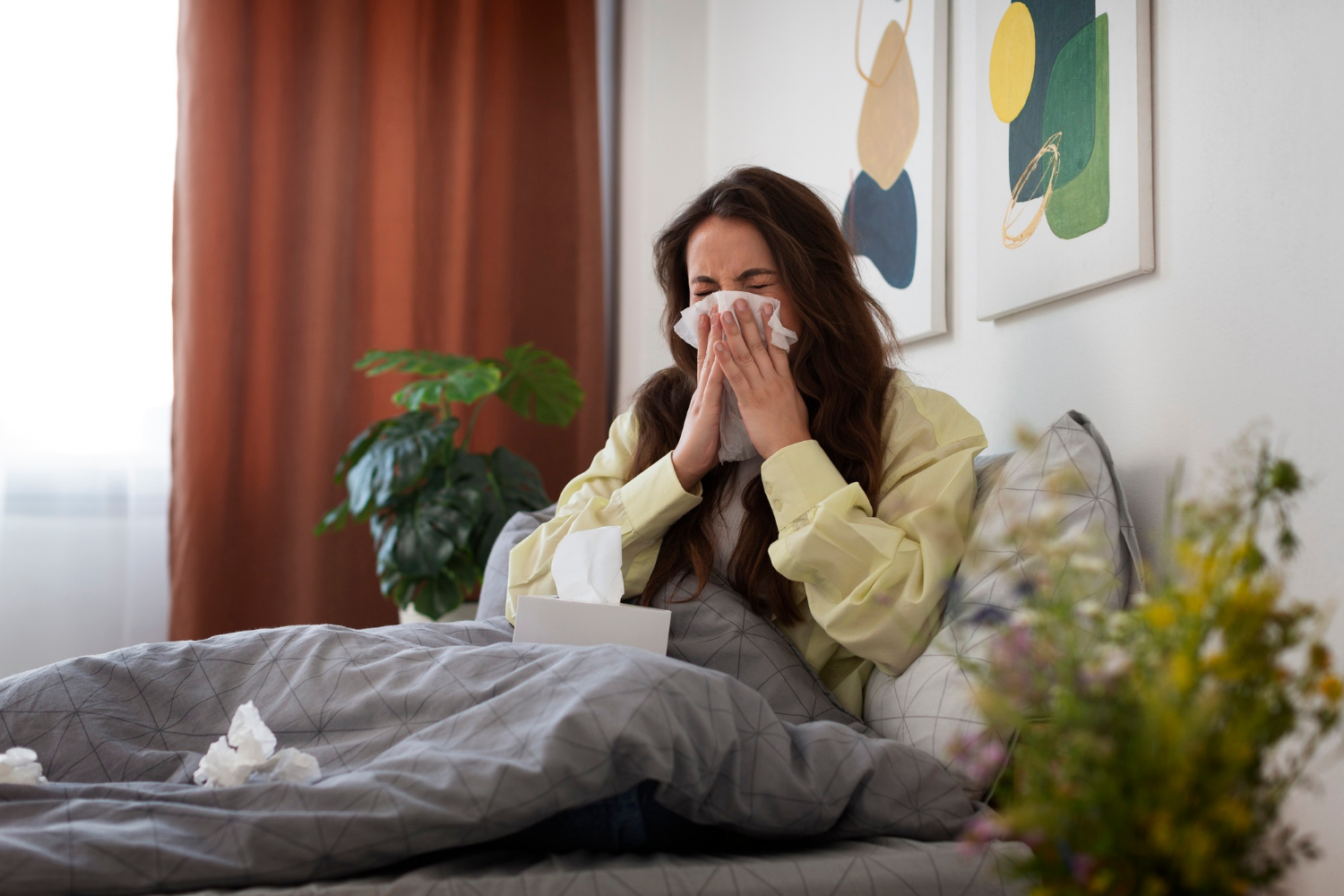
Seasonal allergies have remained a concern for Quebecers. These are mainly triggered by grasses, tree pollens, and ragweed.
Key Takeaways
- Three Distinct Seasons: Allergies in Quebec are triggered sequentially by tree pollen (April–June), grass pollen (May–July), and ragweed (August–October).
- Climate Change Impact: Rising temperatures and elevated carbon dioxide levels are lengthening growing seasons and increasing atmospheric pollen counts.
- Testing Preparation: Patients must stop taking oral antihistamines 3 to 7 days before undergoing a skin prick test to prevent false-negative results.
- Long-Term Solutions: While OTC antihistamines and sprays manage daily symptoms, immunotherapy (shots or sublingual tablets) retrains the immune system for lasting tolerance.
1 out of 5 people in Quebec suffer from seasonal allergies (allergic rhinitis) in Quebec. Commonly known as hay fever, these are considered unwelcome visitors in many seasons. Well, they are often ignored as a minor inconvenience, but they can impact sleep quality, productivity, and overall well-being.
From summer to winter, people deal with different triggering factors that result in allergies. In this blog, we will talk about the causes and symptoms of seasonal allergies in Quebec and when to get tested.
What Are the Causes of Seasonal Allergies?
Unlike other regions, Quebec experiences a striking seasonal change throughout the year. Due to this, seasonal allergies do not occur as a single event, but they occur in different seasons.
The driving factor is the release of airborne pollen grains by various plant species into the atmosphere in different seasons. Let’s look at the allergy seasons in Quebec in 2026.
Spring (April to June): Tree Pollen
Seasonal allergies arrive hand-in-hand with spring. As soon as winter ends, trees produce excessive amounts of lightweight pollen. They usually float in the wind.
Primary Triggers
Birch (bouleau) is considered a key allergic trigger in Quebec and is responsible for causing most of the allergy cases. The other trees are maple, oak, poplar, and ash.
Characteristics
Pollen grains produced by trees are fine and airborne. As spring features windy days, a noteworthy increase in atmospheric pollen counts is seen. This leads to sudden allergic flare-ups, and visiting a private allergy clinic in Montreal is a necessity.
Summer (Late May to July): Grass Pollen
Tree pollen begins to decrease at the end of May when spring ends. As summer knocks your door, grasses become the primary airborne allergen.
Primary Triggers
Kentucky bluegrass, Timothy grass, and Orchard grass peak during late spring and through the summer months. Also, allergies in summer can be caused by common lawn turf.
Characteristics
Sunny mornings, warm weather conditions, and cool breezes during the summer months result in the concentration of grass pollen in the air reaching its highest levels. Even routine lawn mowing leads to sending concentrated clouds of grass allergens into the air. This worsens symptoms for nearby sufferers while contributing to child seasonal allergies in Quebec.
Late Summer to Fall (August to October): Weed Pollen
As the summer says goodbye to the people of Quebec, the most severe allergy wave starts, and it continues till the hard frost of autumn. Let’s understand.
Primary Triggers
Ragweed allergy in Quebec is the leading one in the fall season. Around one billion pollen grains are produced by this wild plant in one season. This is accompanied by plantain and sagebrush.
Characteristics
What makes ragweed pollen a concern for the people of Quebec is that it travels hundreds of kilometers on air currents. This results in the launch of ragweed eradication campaigns by municipalities in Quebec. Well, the plant is found abundantly along roads and riverbanks.
| Climate Change & Extending Pollen Cycles in Quebec: Due to rising average temperatures across the province, the spring thaw arrives earlier each year, while the first autumn freeze happens later. This extended warm period lengthens the growing season for pollen-producing plants. Additionally, increased atmospheric carbon dioxide acts as a fertilizer, causing plants like birch and ragweed to produce higher concentrations of pollen per bloom. |
What Are the Symptoms of Seasonal Allergies?
Here is what you need to know about seasonal allergy symptoms.
Nasal
The common nasal symptoms for seasonal allergies are persistent sneezing, nasal congestion, watery runny nose, etc. These lead to a trickle in the throat and are indications of seasonal allergies. Dealing with a stuffy nose is one of the pollen allergy symptoms in Montreal.
Ocular
Are you experiencing itchy, swollen, or watery eyes (allergic conjunctivitis)? If so, you might have seasonal allergies (which can be a weed allergy). Our walk-in clinic service treats such conditions with utmost care.
Systemic
Often, people in Quebec experience consistent itchiness in the roof of the mouth, throat, or ears. In addition, they deal with fatigue because of irregular sleep patterns. These are common seasonal allergy symptoms, especially from grass pollen.
General Symptoms
Having a headache or feeling tired is a general symptom that many people face. You should not ignore them if they persist, as that can be a cause of seasonal allergies. Even worsening asthma can be a cause.
Often, people mistake seasonal allergies for common cold symptoms, and they do not seek medical help. Let’s understand how to tell the difference.
| Symptoms | Seasonal allergy | Common cold |
Symptom onset | Sudden (being exposed to pollen) | Stays for 1 to 3 days |
| Duration | Weeks to months (as long as the pollen is present) | Usually resolves within a week |
| Nasal discharge | Thin, clear, and watery | Thick (white, greenish, or yellow in color) |
| Itchiness | Prominent in eyes, ears, nose, and throat | Rare |
| Fever | Does not occur | Low-grade fever occasionally |
| Pollen Food Allergy Syndrome (PFAS): Many allergy sufferers in Quebec also experience Oral Allergy Syndrome (OAS) or Pollen Food Allergy Syndrome. This occurs when the immune system confuses proteins in certain fresh fruits, vegetables, or nuts with the pollen proteins that trigger your allergies. |
How to Get Relief from Seasonal Allergies?
It is not possible to avoid pollen completely. What people can do is adopt strategic habits to reduce their exposure. Like:
Monitor Regular Pollen Counts
A common task that everyone should perform in Quebec during the pollen seasons is to check local weather forecasts for daily pollen levels. Plan your outdoor activities accordingly. It’s better to complete them between 5:00 AM and 10:00 AM.
Keep the Inside of Your House Clean
Ensure that the windows of your house remain closed during high pollen counts. Prioritize ACs with high-efficiency particulate air (HEPA) filters.
Acknowledge Outdoor Hygiene
Do you spend around 5 to 7 hours outside? If yes, change your clothes and take a shower after coming home so that the pollen particles trapped in your hair and skin are washed away.
Rely on OTC Solutions
You might question why are my allergies worse this year? This is common because pollen counts matter, and that impacts your symptoms.
We offer second-generation non-drowsy antihistamines, saline nasal rinses, and OTC corticosteroid nasal sprays if the symptoms are mild or moderate. Consult with our doctors to get the right advice.
When Is Getting a Test Mandatory?
OTC medications are effective in offering results in most cases. Well, professional diagnostic testing is required when conditions start interrupting your daily life. Let’s understand when to get allergy tested.
- OTC remedies are not showing fruitful results, or you are experiencing side effects
- Allergy symptoms staying for months
- You are experiencing consistent coughing, wheezing, shortness of breath, or chest tightness
- Sleep disruption and chronic congestion leading to sinus infection
How Allergy Testing Works in Quebec?
While treating seasonal allergies, doctors mainly consider skin prick tests vs. blood allergy tests. Let’s find out.
Skin Prick Test (SPT)
In this test, small drops of liquid extracts (containing specific tree, grass, or weed allergens) are placed onto your back or forearm while pricking the skin surface gently. If a small red bump (like a mosquito bite) appears within 15 to 20 minutes, then you are allergic.
Crucial Pre-Test Rule: Stopping Antihistamines. To ensure an accurate result, you must stop taking all oral antihistamines 3 to 7 days prior to a skin prick test. Antihistamines block the histamine response in your skin, which can suppress the test reaction and produce a false-negative result. Always confirm the exact withdrawal period with your clinic beforehand.
Specific IgE Blood Test
If you have severe eczema, SPT cannot be performed, and your doctor will opt for a blood test. Hence, the IgE blood test is preferable for allergy testing in Montreal. Here, a blood sample is taken to measure the concentration of specific IgE antibodies in your blood.
| Immunotherapy (The Long-Term Solution): Identifying your exact triggers through formal testing opens the door to allergy immunotherapy (allergy shots or sublingual tablets). Unlike medications that only mask symptoms temporarily, immunotherapy gradually retrains your immune system by exposing it to small, controlled doses of the allergen over 3 to 5 years. Over time, this treatment builds tolerance and can significantly reduce or eliminate seasonal allergy symptoms. |
Wrapping Up
Seasonal allergies are caused by tree pollen in spring, grass pollen in summer, and weed pollen in fall. The key symptoms are runny nose, watery eyes, itchy throat, etc., but getting a diagnostic test is necessary if OTC medications are failing to treat the symptoms.
Dealing with Seasonal Allergies?
Adopt strategic habits or rely on OTC solutions if you experience the symptoms. Contact us if the symptoms persist and you require a test. Get the allergies treated before they get worse.
Frequently Asked Questions(FAQs)
What Is the Best Time to Get Allergy Tested in Quebec?
The best time to get allergy tested is winter. This is because you do not need to stop taking regular antihistamines during a high-symptom season, as a skin prick test requires stopping them. Also, the off-season helps identify the exact triggers before allergens return.
How much does Allergy Testing Cost in Quebec?
Allergy testing can be free in Quebec and can also cost around $400. If you possess a valid Quebec Health Insurance Card (RAMQ), your doctor consultations and skin prick tests are fully covered.
How to Differentiate the Symptoms of Seasonal Allergies and Sinus Infection?
Referring to allergy vs. sinus infection symptoms, you will experience itchy eyes and clear mucus in allergies, whereas the main symptom of a sinus infection is severe facial pain with thick yellow or green discharge. Allergies do not cause fever, but you can get a low-grade fever with a sinus infection.
4. Is Winter in Quebec Completely Allergen-Free?
While outdoor plant pollen disappears after the first hard freeze, winter brings a shift to indoor seasonal allergies. Quebecers spend more time indoors with closed windows and central heating, increasing exposure to indoor triggers like dust mites, pet dander, and furnace-driven mold spores.
Can Children Undergo Seasonal Allergy Testing in Quebec?
Yes. Skin prick tests can be safely performed on children as young as infants, though they are most commonly administered to children aged 2 and older when seasonal symptoms begin to clearly manifest. For young children or those unable to tolerate skin testing, a blood test (Specific IgE) is an effective alternative.