

Endoscopy: Procedure, Types, What To Expect
Last update : 07 Sep 2026
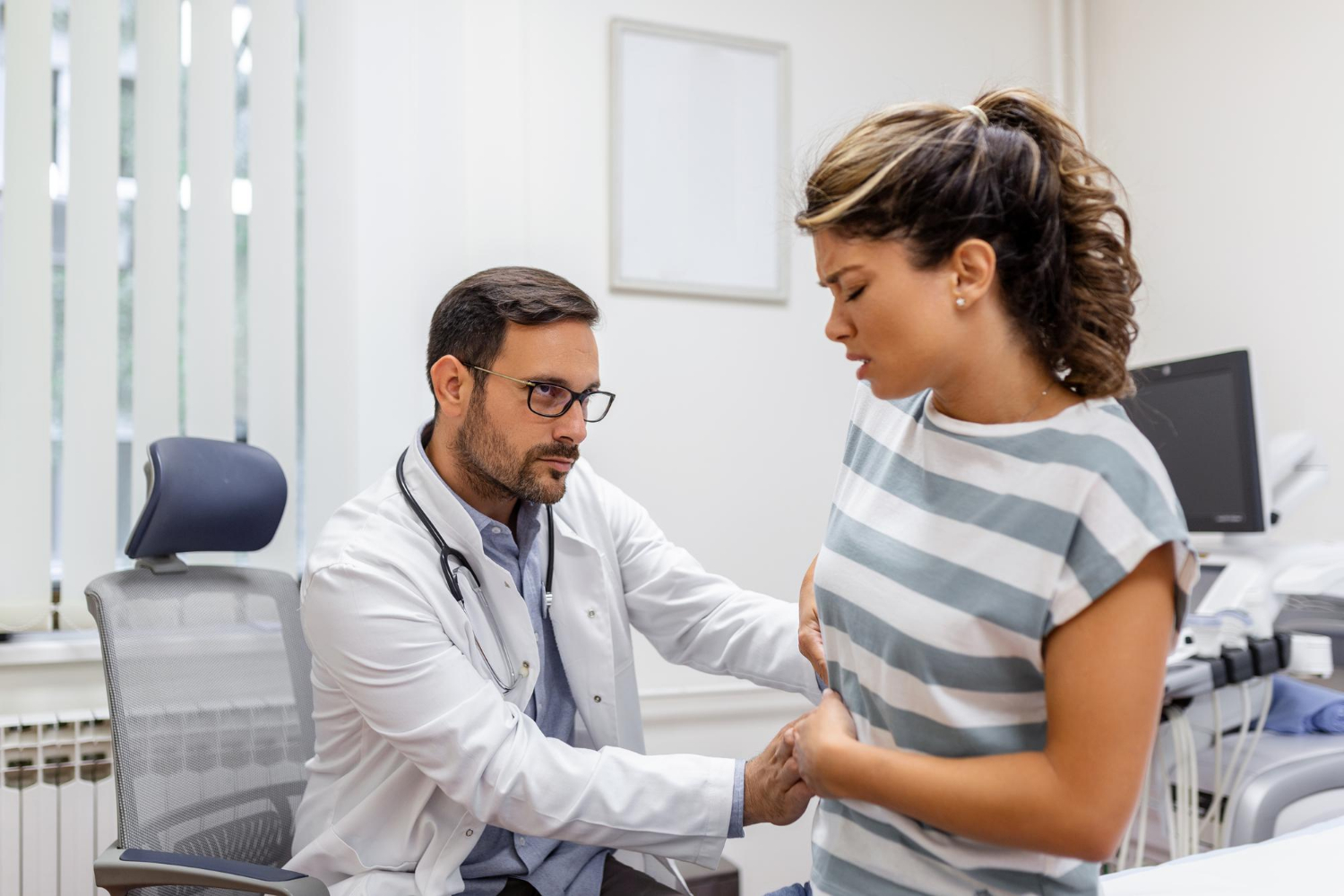
Endoscopy is done to look inside the body to determine the cause of unexplained symptoms. Here, a doctor uses a flexible tube with a light and camera to inspect.
Key Takeaways
Structured Post-Procedure Recovery: Patients must wait for their swallowing reflex to return before consuming liquids, follow a soft food diet for the first 24 hours, and avoid driving for 24 hours due to sedation.
Versatile Diagnostic Tool: Endoscopies examine specific areas—such as the digestive tract (gastroscopy/colonoscopy), lungs (bronchoscopy), or joints (arthroscopy)—to diagnose issues like ulcers, polyps, or internal bleeding.
Requires Timed Preparation: Preparation varies by procedure type and starts up to a week prior, involving specific fasting windows, medication adjustments, and bowel prep for colonoscopies.
Painless with Sedation: Local anesthetics and sedatives keep the 15-to-30-minute procedure pain-free, though patients should plan for a total clinic stay of 2 to 3 hours.
| Medical Disclaimer: The information provided in this guide is for educational purposes only and does not constitute formal medical advice. If you are experiencing severe abdominal pain, high fever, or gastrointestinal bleeding, seek immediate emergency medical care. |
Endoscopy helps doctors to examine the inside of your body by using a thin and flexible tube. This is done to identify the root causes of belly pain, trouble swallowing or bleeding while dismissing the need for large surgical incisions. After the test, tiny tissue pieces (biopsy sample) are taken to test for ulcers or cancers.
This blog guides patients in endoscopy while discussing its types, procedure, and expectations.
What Are the Main Types of Gastrointestinal Endoscopies?
An endoscopy refers to any procedure that uses a flexible tube with a camera to examine internal organs. While endoscopies can evaluate various organ systems, diagnostic testing focuses primarily on the gastrointestinal (GI) tract to identify causes of abdominal pain, acid reflux, rectal bleeding, or changes in bowel habits.
At Union MD, our specialist gastroenterologists perform private, accredited Upper and Lower GI Endoscopies at our Montreal and Laval clinics.
| Procedure Type | Area Examined | Primary Diagnostic Purpose | Offered at Union MD |
| Gastroscopy (Upper Endoscopy / EGD) | Esophagus, stomach, and duodenum (upper small intestine) | Diagnoses chronic heartburn, GERD, ulcers, stomach cancer, celiac disease, and unexplained nausea. | Yes (Private Consultation & Procedure) |
| Colonoscopy | Entire large intestine (colon) and rectum | Screens for colon polyps, colorectal cancer, inflammatory bowel disease (IBD, Crohn’s, Colitis), and unexplained bleeding. | Yes (Private Consultation & Procedure) |
| Flexible Sigmoidoscopy | Lower portion of the colon (sigmoid colon) and rectum | Evaluates localized rectal bleeding, hemorrhoids, lower bowel inflammation, and anal fissure pain. | Yes |
| Capsule Endoscopy | Entire small intestine | Identifies hidden GI bleeding or small bowel Crohn’s disease using a swallowed wireless camera capsule. | Referral / Special Case |
Table 1: Endoscopies offered at Union MD
Note: Other specialized non-gastrointestinal endoscopies exist for non-digestive organs- such as Bronchoscopy (lungs), Cystoscopy (bladder), Arthroscopy (joints), and Laryngoscopy (vocal cords). These specialized surgical procedures are performed by pulmonologists, urologists, and orthopedic surgeons in hospital settings.
Why Is a Gastrointestinal Endoscopy Done?
A digestive endoscopy allows your gastroenterologist to visually inspect the inner lining of your digestive tract, take painless tissue biopsies, and remove precancerous polyps without surgical incisions.
Your physician may recommend a gastroscopy or colonoscopy to investigate:
- Persistent Upper GI Symptoms: Chronic acid reflux (GERD), difficulty or pain when swallowing (dysphagia), severe indigestion, or unexplained upper abdominal pain.
- Lower GI & Bowel Changes: Blood in the stool, chronic diarrhea or constipation, unexplained iron-deficiency anemia, or sudden weight loss.
- Preventative Cancer Screening: Preventative Cancer Screening: Routine colon cancer screening and polyp removal following recommendations from the Canadian Digestive Health Foundation for adults aged 45 and older or those with a family history of GI cancers.
- Disease Monitoring: Evaluating treatment response for celiac disease, peptic ulcers, Barrett’s esophagus, or Inflammatory Bowel Disease (IBD).
Which type of endoscopy do you need? This table will help you understand.
| Feature | Gastroscopy (Upper GI Endoscopy / EGD) | Colonoscopy (Lower GI Endoscopy) |
| Organs Examined | Esophagus, stomach, and duodenum (upper small intestine) | Entire large intestine (colon) and rectum |
| Insertion Route | Flexible scope guided through the mouth | Flexible scope guided through the rectum |
| Common Symptoms Investigated | Severe acid reflux (GERD), persistent heartburn, difficulty swallowing, unexplained nausea, upper stomach pain | Rectal bleeding, chronic diarrhea or constipation, iron-deficiency anemia, unexplained weight loss |
| Primary Diagnoses | Peptic ulcers, Barrett’s esophagus, H. pylori infection, stomach cancer, celiac disease | Colon polyps, colorectal cancer, Inflammatory Bowel Disease (Crohn’s disease, Ulcerative Colitis) |
| Procedure Duration | 10 to 15 minutes | 20 to 30 minutes |
| Bowel Prep Required? | No (8-hour fasting window only) | Yes (Full liquid diet & prescribed laxative bowel prep) |
Table 2: Which endoscopy do you need?
Why Choose Private Endoscopy Services in Montreal & Laval?
Navigating public healthcare (RAMQ) waitlists for a specialist gastroenterology consultation and endoscopic procedure in Quebec can often take several months. For patients experiencing painful or concerning digestive symptoms, long delays increase anxiety and delay critical medical interventions.
At Union MD, our private gastroenterology clinics offer:
- Rapid Access Appointments: Book your consultation and diagnostic procedure within days instead of waiting months on public waitlists.
- On-Site Specialist Gastroenterologists: Certified physicians who perform both the procedure and immediate diagnostic evaluations.
- State-of-the-Art Endoscopy Suites: Modern facilities in Montreal and Laval equipped for high-definition visual diagnostic monitoring and painless tissue biopsies.
- Direct Physician Reports: Clear diagnostic feedback provided directly to you and sent immediately to your referring family physician.
How to Prepare for an Endoscopy?
Here is what you need to know about how to prepare for an endoscopy.
Complete Pre-Procedure Screening and Consultations
Before scheduling your gastroscopy or colonoscopy at Union MD, our medical team conducts a preliminary health screening. Depending on your medical history, your physician may review routine blood work (such as complete blood count or coagulation profiles) to ensure it is completely safe to perform tissue biopsies or polyp removals during your procedure.
Provide a Medical History
While you book an appointment in our clinic for a gastroscopy procedure, ensure that the gastroenterologist is aware of your existing health condition and any supplement that you take. Based on this, the healthcare provider will advise you how to prepare for the test.
Day-by-Day Endoscopy Preparation Checklist
Proper preparation ensures your gastroenterologist has clear visual access to your organ lining. Following these exact preparation timelines minimizes the risk of having to reschedule your appointment due to incomplete visualization.
7 Days Before Your Procedure
- Medication Audit: Consult your Union MD physician regarding blood thinners (e.g., Coumadin, Plavix), anti-platelet drugs, or iron supplements approved under Health Canada guidelines.
- Arrange Transportation: Because light intravenous sedation is administered, you must have a responsible adult accompany you home. Taxi services or public transport alone are not permitted after sedation.
3 Days Before Your Procedure (Colonoscopy Patients Only)
- Low-Residue Diet: Switch to low-fiber foods (white bread, white rice, eggs, lean poultry).
- Avoid High-Fiber Foods: Stop eating nuts, seeds, whole grains, popcorn, raw vegetables, and fruits with skins, as these leave residue in the colon.
1 Day Before Your Procedure
- Gastroscopy Patients: Eat a light dinner. Begin full fasting (no food or liquids except small sips of water) 8 hours prior to your scheduled clinic arrival time.
- Colonoscopy Patients:
- Consume clear liquids only all day (water, clear apple juice, clear broth, black tea/coffee without milk). Avoid any liquids with red or purple food dyes.
- Take your prescribed laxative bowel preparation solution (e.g., PEG solution) strictly as instructed by your Union MD care team.
The Morning of Your Procedure
- Take essential daily medications (such as blood pressure medication) early in the morning with a tiny sip of water, unless advised otherwise by your doctor.
- Do not eat, drink, chew gum, or smoke within 4 hours of your appointment.
- Wear comfortable, loose-fitting clothing and leave jewelry and valuables at home.
| Pre-Endoscopy Fasting & Diet Checklist 3 Days Before (Colonoscopy Patients Only) Switch to low-fiber foods: White bread, white rice, eggs, skinless poultry, and well-cooked vegetables. Avoid high-fiber & seedy foods: Nuts, seeds, popcorn, whole grains, raw vegetables, and fruits with skin. 24 Hours Before Consume clear liquids only (for Colonoscopy prep): Water, clear chicken/beef broth, apple juice, white grape juice, electrolyte drinks (Gatorade/Powerade), and black coffee or tea (no milk/creamer). Avoid red, purple, or blue dyes: Do not consume popsicles, gelatin, or drinks with dark dyes (these mimic blood in the digestive tract). 8 Hours Before (Gastroscopy & Colonoscopy) Stop all solid food: Do not eat any solid food, dairy products, or thick liquids. 4 Hours Before Complete fasting (NIL BY MOUTH): Stop drinking all liquids, including water. Do not chew gum, suck on hard candy, or smoke/vape. |
What Happens During the Procedure?
Are you planning for an upper endoscopy at our clinic? If so, you need to know what happens during a gastroscopy.
Before the Procedure
As you enter the room, you need to remove your clothes and wear the gown given by us. Before the procedure, remove jewelry, dentures, false teeth, glasses, and contact lenses.
Nurses will place an intravenous (IV) line in your hand and will offer you a sedative (propofol, midazolam, or opioids). Our staff will numb your throat with a local anesthetic so that you feel comfortable during the procedure.
During the Procedure
Here is the gastroscopy step-by-step process that you need to consider.
- Lie down on your side on the table
- A small bite block goes into your mouth to protect your teeth
- You will feel relaxed because of the sedation (some people also fall asleep)
- A thin scope is guided through your mouth, down your throat, and into your esophagus, stomach, and small intestine
- The scope gently introduces a small amount of air or carbon dioxide to expand the digestive tract, allowing the gastroenterologist to clearly inspect the mucosal lining.
- The camera attached to the scope sends live video to a monitor to let the doctor check for inflammation, ulcers, or other issues
- Tiny tools can be passed through the scope to take tissue samples (biopsies)
| Does an Endoscopy Hurt? No, an endoscopy is generally not painful. Most patients describe it as an unusual or slightly uncomfortable sensation rather than pain. Modern medical techniques, local anesthetics, and sedation are designed to keep you relaxed and comfortable throughout the procedure. |
After the Procedure
The total duration of the upper endoscopy procedure is around 15 to 30 minutes. After the test, you will be taken to a recovery room to rest until the sedative wears off. You might feel a mild sore throat, bloating, or light cramping.
After your procedure is complete, you will rest in our comfortable recovery area for 30 to 60 minutes while the intravenous sedation wears off.
Immediate Post-Care Guidelines (First 24 Hours)
- Diet Progression: Wait until your throat-numbing spray fully wears off (approx. 40 minutes) before drinking water. Start with soft, bland foods (mashed potatoes, scrambled eggs, yogurt) for the first 24 hours.
- Rest & Activity: Do not drive, operate machinery, sign legal documents, or drink alcohol for 24 hours post-procedure.
- Mild Symptoms: A slight throat tickle, mild gas, or light abdominal bloating is completely normal and typically resolves within 12 to 24 hours.
Post-Endoscopy Diet & Recovery Checklist
Immediate Recovery (First 1 to 2 Hours)
- Wait for throat numbness to pass: If you received a throat-numbing spray during a gastroscopy, wait until full sensation returns (approx. 40–60 minutes) before drinking liquids to prevent choking.
- Start with small sips: Begin with a small sip of room-temperature water. If tolerated without nausea, progress to clear liquids.
First 24 Hours (Soft, Easily Digestible Foods)
- Recommended foods: Scrambled eggs, mashed potatoes, plain oatmeal, yogurt, smooth soups/broths, applesauce, bananas, pudding, and white toast.
- Hydrate generously: Drink plenty of water or electrolyte liquids to rehydrate (especially if recovering from colonoscopy bowel prep).
Foods & Substances to Avoid (First 24 Hours)
- Alcohol: Do not consume alcohol for at least 24 hours while intravenous sedation clears your system.
- Spicy & acidic foods: Avoid citrus, hot spices, tomato sauce, and raw onions, which can irritate your stomach lining.
- Heavy & greasy foods: Skip fried foods, high-fat meats, and heavy cream dishes to prevent nausea or cramping.
- Carbonated beverages: Avoid soda and sparkling water to minimize gas pain and abdominal bloating.
When to Seek Emergency Medical Attention
While serious complications from diagnostic endoscopies are extremely rare (less than 0.1%), contact our clinic or go to the nearest emergency room immediately if you experience:
- Severe, worsening chest or abdominal pain.
- Difficulty breathing or swallowing.
- Persistent vomiting or coughing up blood.
- Black, tarry stools or continuous rectal bleeding.
- A fever exceeding 38°C (100.4°F) or severe chills.
When Will You Get Your Endoscopy Results?
Visual diagnostic findings are discussed directly with you in the recovery area before you go home. If tissue samples or polyps were collected for laboratory pathology analysis, final lab results are typically available within 7 to 14 business days, at which point your treatment plan is finalized and sent to your primary care physician.
To Conclude
Gastrointestinal endoscopies- primarily gastroscopies and colonoscopies- are safe, minimally invasive diagnostic tools that identify the root causes of unexplained digestive symptoms. With procedure times ranging from 15 to 30 minutes under comfortable conscious sedation, patients can obtain immediate diagnostic clarity without surgical recovery times.
Book Your Private Endoscopy at Union MD
Don’t let long healthcare waitlists delay your medical care. At Union MD, our certified gastroenterologists provide rapid-access private gastroscopy and colonoscopy services in accredited, state-of-the-art endoscopy suites.
Contact Union MD today to schedule your private gastroenterology consultation at our Montreal or Laval clinics.
Frequently Asked Questions (FAQs)
1. When is it safe to resume driving, working, or taking regular medications?
Because sedatives impair reflexes and judgment, you must not drive, operate machinery, or make legal decisions for 24 hours post-procedure. Most patients can return to work and resume their normal medications (including blood thinners) the following day. Consult with our doctors before you resume any medication.
2. Do I need a referral from a family doctor to book a private endoscopy at Union MD?
While a referral from a general practitioner is recommended to ensure seamless care coordination, it is not strictly required. Union MD allows direct booking for private gastroenterology consultations. Our on-site specialist evaluates your symptoms during an initial consultation and determines if a gastroscopy or colonoscopy is clinically necessary.
3. Will I be fully put to sleep with general anesthesia during the procedure?
No. Routine diagnostic endoscopies use intravenous conscious sedation rather than general anesthesia. You remain comfortable, deeply relaxed, and pain-free while breathing independently without a breathing tube. Most patients fall into a light sleep and have little to no memory of the procedure.
4. If the gastroenterologist finds a polyp, is it removed immediately?
Yes. If a colon polyp or tissue abnormality is detected during your procedure, the specialist performs a polypectomy or biopsy immediately using microscopic tools passed through the scope. You do not need to schedule a separate appointment or pay for a second procedure to have polyps removed.
5. Can I undergo an endoscopy if I am pregnant, diabetic, or have a heart condition?
Yes, but special precautions are required. Pregnant patients require careful selection of sedatives; diabetic patients need tailored fasting and insulin adjustments; and patients with heart conditions or pacemakers may require pre-procedure clearance or specific monitoring. Let us know about your condition on your first visit.