

Menstrual Health: Separating Myths from Medical Facts
Last update : 18 Août 2026
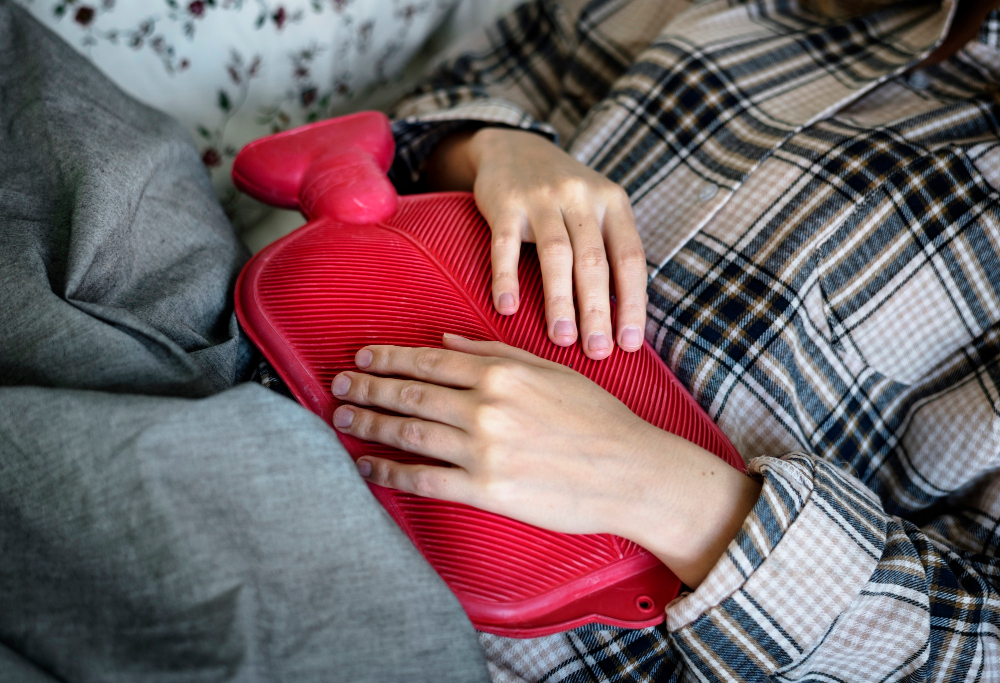
Having a good understanding of facts and myths regarding menstrual health clears your confusion. This contributes to breaking social stigmas and preventing infections caused by poor hygiene practices.
Key Takeaways
- Menstruation is a normal process that is common for all women.
- With a high prevalence of taboo and myths, many women are living with confusion.
- Maintaining proper hygiene during the menstrual days is a priority.
A study showed that 44% of Canadian youths younger than 21 years old experience teasing and shame regarding menstruation. A high existence of myths and taboos has transformed a normal biological process into a source of shame. This leads to forming an idea that menstruation is impure or dirty.
This article separates myths from facts about menstruation.
What are the Top Reasons for Myth-Busting?
A woman will get periods, and it is very normal. If she is guided by myths, it is difficult for her to understand how to act during the menstruation days. Here are the main reasons behind separating facts from myths.
- Protecting physical health and hygiene
- Lowering social stigma
- Challenging medical misconceptions
- Promoting gender equality
Debunking Top Menstrual Myths with Facts
Menstruation is a natural process that women experience. Yet, this is surrounded by myths and misinformation. This generates unnecessary fear and shame. Let’s discuss the prevalent myths and the actual reality of a normal menstrual cycle.
Myth 1: Menstrual Blood is Dirty or Impure
One of the most common existing myths is that menstrual blood is dirty. People might consider that periods are the body’s way of flushing out toxins. Well, this is wrong.
The Fact
Compared to normal blood, period blood is not any kind of rejected body fluid or any way of flushing out toxins. This is an evolved vaginal secretion, which includes blood, uterine tissue, and mucus lining.
Menstruation is a sign of a healthy reproductive system. Although this blood differs from normal blood that runs continuously through the veins, this one is totally pure. Well, this is a less concentrated blood that has fewer blood cells.
Myth 2: You Should Not Exercise During Your Period Days
You might have heard that performing exercises during the menstrual days can lead to adverse consequences. Like, you should not hit the gym or go for a swim. Well, there is no truth behind this.
The Fact
If you are aware of menstrual cycle phases and symptoms, then you know that cramps are normal. However, exercises lower cramps. Light to moderate exercises can be considered during the menstrual days.
Activities like walking, swimming, light cardio, yoga, etc., boost the mind and combat fatigue. Contrarily, avoid strenuous activities like heavy lifting or high-intensity training. It’s better to rest if you feel fatigued or experience heavy bleeding.
Myth 3: Pregnancy is Not Possible During Menstruation
Pregnancy is impossible during pregnancy is a myth. People, especially in the rural areas, believe this, but it is wrong.
The Fact
The chance of getting pregnant is low but not zero. If you have irregular menstrual periods, you have a higher chance of pregnancy. The main factor is that healthy sperm survive for up to five days.
The timing of your ovulation is also a factor, and it varies from person to person and cycle to cycle. Remember, the Day 14 ovulation rule is an average and not a guarantee. Using protection while having sex during periods is a wiser option.
Myth 4: Severe Period Pain is Normal
Have you ever heard that pain with your period is a part of being a woman? You might have accepted it, but that doesn’t mean that you are ready to bear any extent of pain.
The Fact
Mild cramps are common, and they can interfere with your daily life. However, severe pain is not. Severe pain during periods (dysmenorrhea) should not be ignored.
According to a 2021 study, endometriosis affects approximately 1 million people in Canada, primarily women of reproductive age. Medical help is recommended if you experience unbearable pain that is disrupting your regular activities.
Myth 5: Bathing or Washing Hair is Harmful During Periods
It’s time to clear your head of any urban myth you know about bathing or washing hair during menstruation. There is no scientific basis for the fact that washing hair impacts fertility or creates any disruption in your menstrual flow.
The Fact
You must acknowledge bathing or washing hair as they are good for hygiene. When you take baths during menstruation days, you can combat bacterial vaginosis, urinary tract infections, and vulvovaginal yeast infections.
Feeling a bit low or irritated is common during the period days. Taking a bath makes you feel relaxed. Also, warm showers can reduce abdominal cramps.
Myth 6: It’s Alright to Dismiss Our Feelings During Menstruation
Your menstruation days might not make you feel the same as normal days. Don’t dismiss these feelings.
The Fact
During your period, mood changes are common, and you might have to deal with any emotional challenges. In certain cases, women experience mental health issues. Like, menstrual period depression is a common problem that many people face.
During her period of ‘PMSing’, her estrogen level plunges and progesterone level rises. The mood changes are real and not imaginary. You can be involved in yoga or meditation to deal with stress and anxiety during the period days. Obtain mental health support if you feel depressed.
What to Do to Get a Healthy Period?
Getting timely and healthy periods is vital for any woman. You can achieve a normal menstrual cycle by:
| Strategy | What to consider |
| Selecting the right menstrual hygiene products | Use pads, tampons, menstrual cups, etc. |
| Prefer a nutritious diet | Eat iron-rich foods (spinach, red meat, lentils, etc.) to replace blood loss |
| Hygiene maintenance | Change menstrual products regularly |
| Tracking | Utilize apps (Clue, Flo, Period Tracker Period Calendar, etc.) to monitor irregularities |
Table: Key strategies to follow for a healthy menstrual cycle
When to Consult a Doctor?
Consult a clinical expert in the following cases:
- Cycles shorter than a day or longer than 38 days
- Severe bleeding (soaking through pads)
- Periods lasting longer than a week
- Missed period for more than three consecutive months
Kick the Stigma. Become Aware of Menstrual Health.
Gaining knowledge on menstrual health facts over the myths is important. Choose a reputable gynecologist in Canada for any confusion or any adverse condition. Stay safe, maintain hygiene, and make this normal process a part of your life happily.
FAQs
1. What Defines a Normal Period?
A normal menstrual cycle lasts for 21 to 35 days, with an average of 28 days. The bleeding lasts for 3 to 7 days. Around 3 to 15 teaspoons of blood loss occur during the first two days.
2. What are the Causes of Irregular Periods?
Hormonal imbalances, lifestyle factors, or any underlying health condition result in irregular menstruation (oligomenorrhea). The main triggers are thyroid issues, PCOS, drastic weight changes, etc.
3. What are the Common Symptoms during PMS?
PMS does not manifest in the same way for everyone. The common symptoms are bloating, acne, changes in appetite, constipation, etc. Some symptoms can be severe, and you might miss work or school.
4. How to Understand that my First Period is on its Way?
Most girls experience their first period between the ages of 10 and 16. As you approach your first period, you might see a watery white or yellowish vaginal discharge. The other signs are lower abdominal cramps, bloating, tiredness, etc.
5. What Can I do if My First Period Did Not Occur by the Age of 16?
If you have not experienced your first period by the age of 16, you need to visit a gynecologist. Well, this is not something to worry about. The doctor will find out why your period is late.