

Plantar Fasciitis: Symptoms, Causes, And Treatments
Last update : 18 Août 2026
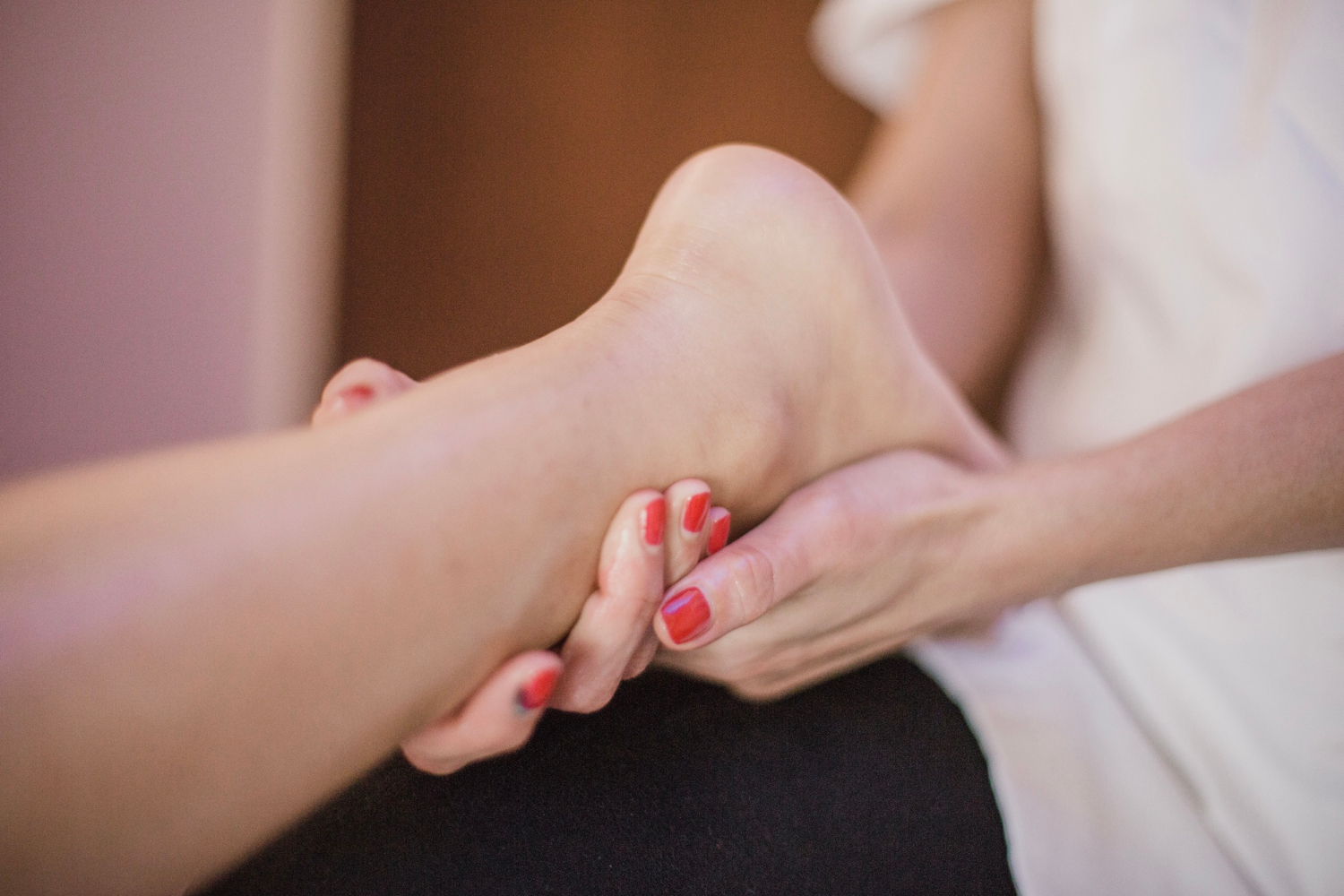
Plantar fasciitis mainly occurs because of too much stress on your feet. This is usually treated at home with OTC medications but you need to see a doctor when conditions remain the same.
Key Takeaways
- Recognizable Symptoms: The primary indicator is a sharp, stabbing heel pain during the first few steps in the morning or after prolonged periods of rest.
- Diverse Causes: Risk factors include high-impact physical activities, standing on hard floors, unsupportive footwear, flat feet/high arches, tight calves, obesity, and age-related tissue thinning.
- First-Line Home Remedies: Initial relief can be achieved through conservative measures like icing, resting, performing daily calf and arch stretches, and avoiding walking barefoot.
- Advanced Medical Options: Persistent cases that do not respond to self-care may require specialized interventions, such as custom orthotics, night splints, physical therapy, cortisone injections, or PRP therapy.
Imagine waking up in the morning and feeling a sharp pain in your heel when you get out of the bed. This can be plantar fasciitis, which is undoubtedly painful. This condition refers to the inflammation in the plantar fascia in your foot. This is one of the most common causes of heel pain that is treatable with early action.
This blog discusses the symptoms, causes, and treatments of plantar fasciitis.
What is Plantar Fasciitis?
Plantar fasciitis is non-inflammatory micro-tearing and collagen degeneration (plantar fasciosis) of the dense fibrous connective tissue supporting the foot arch (plantar aponeurosis). It originates primarily at the heel bone (medial calcaneal tubercle). While conservative home care (calf stretching, ice rolling, and orthotics) resolves 90% of early-stage cases within 3 to 6 months, persistent symptoms exceeding 6 weeks require evaluation by a podiatrist at Union MD in Montreal for advanced targeted therapies like Platelet-Rich Plasma (PRP) or cortisone injections.
What are the Main Symptoms of Plantar Fasciitis?
The main plantar fasciitis symptoms include:
Sharp Morning Heel Pain (Post-Static Dyskinesia)
The defining hallmark of plantar fasciitis is severe, stabbing heel pain during your very first steps after waking up.
Why it happens
While you sleep, your foot naturally relaxes into a downward-pointing position (plantarflexion). This allows the inflamed plantar fascia band to contract, shorten, and begin repairing itself overnight. When you step out of bed, your full body weight abruptly flattens your arch, forcefully stretching this tightened, partially healed tissue. This causes sudden micro-tears, triggering sharp, intense pain.
How it feels
Patients often describe this morning sensation as stepping on a sharp nail, a thumb tack, or a jagged pebble.
The Warm-Up Paradox (Post-Exercise Flare-Ups)
One of the most confusing aspects of plantar fasciitis is how pain behaves before, during, and after physical activity:
During Activity
As you begin walking, running, or exercising, increased blood flow and mild movement warm up the fascia, allowing the tissue to stretch and become less stiff. The pain often diminishes or disappears entirely during the workout.
After Activity
Because the tissue feels better during exercise, patients often overexert themselves. Once you sit down and rest after your workout, the fascia cools down, stiffens, and inflames again- leading to significant throbbing or severe heel pain later in the day.
Post-Rest Stiffness and Start-Up Pain
Morning is not the only time post-static dyskinesia occurs. You may experience a similar flare-up of sharp, stabbing pain whenever you stand up after:
- Sitting at a desk for long work hours
- Driving for extended periods
- Sitting through a movie or dinner
The longer you sit still, the more the fascia tightens, resulting in renewed pain during those first few steps when you stand up.
Direct Heel Tenderness (Medial Calcaneal Tubercle)
Plantar fasciitis pain is localized to a very specific spot on the foot. Here is what you want to know about one of the common plantar fasciitis symptoms.
Pinpoint Location
The maximum tenderness is almost always located on the bottom, inner edge of the heel bone (clinically known as the medial calcaneal tubercle).
Touch Sensitivity
Pressing a thumb firmly directly onto this area under your heel usually triggers immediate discomfort or sharp soreness.
Arch Radiation
In moderate to severe cases, the pain and burning sensation may radiate forward along the entire arch toward the ball of the foot.
Compensatory Gait & « The Kinetic Chain Effect »
When heel pain becomes continuous, your body naturally tries to protect itself by altering the way you walk (antalgic gait).
Altered Stride
To avoid placing weight on the painful heel, you may find yourself walking on the outer edge of your foot, walking on your toes, or limping.
Secondary Joint Pain
This unnatural stride disrupts your body’s biomechanical alignment. Over time, shifting your weight places unnatural rotational stress up your kinetic chain, frequently causing secondary aches in your:
- Achilles tendon and calves
- Ankle joints
- Knees
- Hips and lower back
Mild Local Swelling and Tightness
While plantar fasciitis does not typically cause massive, visible joint swelling, you may notice subtle signs of localized tissue distress:
- Mild puffiness or thickness around the lower heel bone
- A tight, pulling sensation in your arch when pulling your toes upward toward your shin
- A dull, deep throbbing sensation in the heel at the end of a long day on your feet
When to See a Podiatrist Immediately
While plantar fasciitis is common, heel pain can occasionally signal other medical conditions. You should seek a professional medical evaluation at Union MD right away if you experience:
- Pain so severe that you cannot bear any weight on your foot
- Numbness, tingling, or a « pins-and-needles » sensation in your foot or toes (a potential sign of nerve entrapment)
- Visible bruising, redness, or heat around the heel
- Heel pain accompanied by a fever
Plantar fasciitis rarely feels like a standard muscle ache or general foot tiredness. Instead, it presents with a distinct pattern of symptoms that vary depending on your activity level, the time of day, and how long the tissue has been inflamed.
Recognizing these key symptoms early can help you seek targeted care before micro-tearing progresses into chronic tissue degradation.
What are the Top Causes of Plantar Fasciitis?
Do you know what causes plantar fasciitis? Let’s check out.
Physical Activity & Overuse
Activities like jumping, running or dancing exert excessive pressure on the heel. This stress causes pain, which leads to plantar fasciitis. This makes dancers and outdoor sports personalities highly prone to this condition.
Does your job require standing for prolonged hours? If yes, you are a suitable candidate for this condition. This is because standing on hard floors for hours imparts pressure on your heels.
What if you suddenly increase the intensity of daily exercises? This strains the tissue, and there is a high chance of getting plantar fasciitis.
Foot Structure and Biomechanics
Your foot structure plays a role in ultimately developing plantar fasciitis.
Flat Feet (Pes Planus)
Flat feet cause excessive inward rolling of the ankle (pronation), overstretching the arch with every step.
High Arches (Pes Cavus)
High, rigid arches lack natural shock absorption, concentrating impact directly onto the heel bone.
Both conditions disrupt the Windlass Mechanism- the natural pulley system where your toes bend to pull the plantar fascia taut and stabilize your foot during push-off.
Posterior Chain Tightness (Equinus)
Tightness in the gastrocnemius-soleus muscle complex (your calves) limits how far your ankle can flex upward (dorsiflexion). This places continuous pulling stress directly on the Achilles tendon and attached plantar fascia.
Occupational Strain & Unsupportive Footwear
Lifestyle factors have a huge part to play in the development of plantar fasciitis as well.
Prolonged Standing
Professions that require standing for hours on concrete or hard surfaces place relentless load on the heel.
Inadequate Shoes
Regularly wearing flat shoes, flip-flops, or worn-out sneakers without structured arch support accelerates tissue strain.
Walking Barefoot
Walking barefoot on hard indoor floors deprives an inflamed arch of necessary cushioning.
Weight and Age
Carrying extra body weight increases the mechanical load on the plantar fascia with every step. Additionally, between ages 40 and 60, the body’s tissues naturally lose elasticity, and the protective fat pad under the heel begins to thin.
What are the Treatment Options for Plantar Fasciitis?
Most cases of plantar fasciitis resolve with conservative management, but persistent cases require specialized medical care. Here is a list of plantar fasciitis treatment for you.
First-Line Home Care
When heel pain first appears, immediate conservative care can reduce acute tissue irritation, lower daily physical strain on your arch, and promote early tissue recovery.
While home care is essential during the early stages of plantar fasciitis, it works best when executed consistently. Below are the key first-line strategies recommended by our podiatry team at Union MD:
Relative Rest & Strategic Activity Modification
Resting doesn’t mean staying off your feet entirely; rather, it means modifying high-impact activities that put extreme repetitive strain on your heel.
Pause High-Impact Exercise
Temporarily stop activities that involve repeated foot strikes on hard surfaces, such as running, jumping, high-impact HIIT workouts, or sports like tennis and basketball.
Switch to Low-Impact Alternatives
Keep your cardiovascular health up without damaging your arch by transitioning to swimming, cycling, or rowing.
Limit Standing Cycles
If your job requires standing, break up your day with seated tasks whenever possible to give the tissue time to recover throughout the day.
Targeted Cold Therapy (Ice Rolling)
Ice is an effective natural tool to temporarily relieve acute pain and numb localized soreness along the arch and heel.
The Frozen Bottle Roll:
- Fill a plastic water bottle ¾ full and freeze it solid.
- Sit comfortably in a chair, place the frozen bottle on the floor, and gently roll the arch of your foot back and forth over it for 10 to 15 minutes.
- Apply light to moderate pressure- it should feel like a deep, cooling stretch, not sharp pain.
Perform these 2 to 3 times a day, especially after long periods of walking or at the end of a workday.
| Podiatrist Tip: Avoid placing bare ice directly on your skin to prevent ice burns. Always use a sock or a thin towel barrier if using a gel ice pack. |
Essential Stretching Protocol
Because the plantar fascia is directly connected to your calf muscles via the Achilles tendon, stretching both your calf muscles and the arch itself is vital to relieve pulling pressure on your heel.
The Plantar Fascia Stretch (Do Before Your First Step)
When to do it: Perform this before getting out of bed or standing up after long periods of sitting.
How to do it: Sit up, cross your painful foot over your opposite knee. Grab your toes with your hand and gently pull them back toward your shin until you feel a comfortable stretch along the bottom of your arch. Hold for 15 to 20 seconds, release, and repeat 3 times.
The Gastrocnemius Stretch (Upper Calf)
How to do it: Stand facing a wall, placing both hands against it at shoulder height. Step your painful leg back, keeping your back knee completely straight and your back heel flat on the ground. Lean your hips forward until you feel a stretch in the upper calf. Hold for 30 seconds. Repeat 3 times.
The Soleus Stretch (Lower Calf & Achilles)
How to do it: Set up the same way as the wall calf stretches above, but this time, slightly bend the back knee while keeping your heel firmly planted on the floor. This shifts the stretch deeper into the lower calf and Achilles tendon. Hold for 30 seconds. Repeat 3 times.
Gentle Myofascial Release (Arch Massage)
Loosening tight fascia and soft tissues along the bottom of the foot can improve local blood circulation and reduce morning stiffness.
How to Do it: Sit in a chair and place a tennis ball, soft massage ball, or foam roller under the arch of your foot. Gently roll the ball from the base of your toes down to the front edge of your heel.
| Important Warning: Never press directly on the painful point of the heel bone itself. Focus only on the fleshy arch section of the foot to avoid aggravating inflamed tissue attached to the bone. |
Over-the-Counter (OTC) Pain Relief
Non-steroidal anti-inflammatory drugs (NSAIDs)- such as ibuprofen or naproxen- can help manage temporary flare-ups and allow you to move more comfortably during daily tasks.
Note: OTC medications provide short-term symptom relief, but they do not heal damaged tissue or fix biomechanical alignment issues. They should be used sparingly and alongside active stretching and support. Always consult a healthcare professional or pharmacist before starting new medications.
| When Home Care Isn’t Enough If you have practiced home care consistently for 3 to 4 weeks without noticeable improvement, continuing with home remedies alone can cause your condition to become chronic. At this point, scheduling a podiatric consultation at Union MD will allow us to evaluate your foot biomechanics, perform an ultrasound assessment, and implement advanced therapies like custom orthotics, physical therapy, or PRP injections. |
Supportive Footwear & Night Splints
Recovery from plantar fasciitis requires protecting your heel not just when you exercise, but during every step you take- and even while you sleep. Upgrading your footwear and using supportive sleep gear provides continuous protection against tissue strain.
Supportive Footwear
The shoes you wear every day either support your foot’s natural architecture or force your plantar fascia to absorb the full impact of your body weight.
What to Look For in a Shoe:
Here’s what your shoe should ideally have:
Firm Arch Support
Prevents the arch from collapsing downward with every step (over-pronation).
Cushioned Heel & Deep Heel Cup
Cradles the natural fat pad under your heel bone to absorb shock.
Stiff Midsole
The shoe should bend easily at the toes, but not in the middle of the arch. A shoe that you can twist or fold in half provides zero arch protection.
Slight Heel Drop
A heel that is elevated by roughly ½ to 1 inch compared to the toes reduces continuous pulling tension on your Achilles tendon and plantar fascia. (Avoid flat « zero-drop » shoes or thin canvas sneakers during recovery).
| The Golden Rule: Never Walk Barefoot Indoors One of the most common mistakes patients make is taking off their supportive shoes at home and walking barefoot across hardwood, tile, or laminate floors. Hard indoor surfaces exert direct impact on an inflamed heel. Keep a pair of dedicated indoor supportive sandals, recovery slides, or house shoes with built-in arch support by your bed to wear the moment you stand up. |
Night Splints: Eliminating Morning Heel Pain
If your worst pain happens during your first few steps out of bed, a night splint can be a game-changer for your morning routine.
Why Morning Pain Happens
While you sleep, your foot naturally relaxes into a pointed-down position (plantarflexion). In this position, the plantar fascia shortens and tightens overnight. When you stand up in the morning, your body weight abruptly forces the tight tissue to stretch, causing fresh micro-tears and sharp pain.
How a Night Splinter Works
A night splint is a lightweight, padded brace worn while sleeping. It gently holds your ankle at a neutral 90-degree angle (dorsiflexion), keeping the plantar fascia and calf muscles comfortably lengthened throughout the night.
The Result
Because the fascia band remains lengthened overnight, your first steps in the morning are far less painful, preventing the cycle of micro-tearing every time you get out of bed.
Medical & Advanced Treatment
While initial home care brings relief to many, up to 20% of plantar fasciitis cases become persistent or chronic. If your heel pain has lasted longer than 4 to 6 weeks, or if severe morning pain makes walking difficult, it is time to transition from home care to specialized podiatric treatment.
At Union MD in Montreal, our podiatry team moves beyond temporary symptom masking while offering plantar fasciitis treatment. Using in-clinic diagnostic tools- such as high-resolution ultrasound- we measure the exact thickness of your fascia band and check for micro-tears. This allows us to design a targeted, multi-step treatment plan tailored to your lifestyle and recovery goals.
Here is a closer look at the specialized medical options available at our clinic:
Prescription Custom Foot Orthotics
These are designed to fix the biomechanical root cause.
What it is
Unlike off-the-shelf gel insoles from a pharmacy- which merely offer temporary cushion- custom orthotics are medical-grade devices engineered specifically for your unique foot structure.
How it works
Using 3D foot imaging and gait evaluation, our podiatrists design inserts that realign your ankle joints, correct over-pronation (inward rolling in flat feet), and cushion high arches. This restores your foot’s natural weight distribution and takes continuous physical tension off the plantar fascia band.
Best for
Patients with structural foot imbalances (flat feet or high arches), professionals who stand on hard floors for long work shifts, and long-term prevention of recurring heel pain.
High-Load Physical Therapy & Rehabilitation
These are aimed at rebuilding tissue endurance and strength.
What it is
A guided physical therapy program that goes beyond basic stretching to actively rebuild the load-bearing strength of your foot and calf tissues.
How it works
At Union MD, our physical therapy protocols utilize evidence-based regimens like the Rathleff Protocol*. This involves progressive, high-load strength exercises (such as controlled, weighted heel raises with a rolled towel under the toes). Placing controlled tension on the fascia stimulates healthy collagen repair, training the tissue to handle daily walking and impact again without tearing.
Best for
Restoring full mobility, rebuilding foot strength after prolonged pain, and helping active individuals safely return to sports or exercise.
*Rathleff Protocol: This evidence-based exercise regimen utilizes high-load, progressive strength training (specifically controlled heel raises with a rolled towel under the toes to engage the arch). Unlike basic stretching, this protocol stimulates collagen remodeling and gradually rebuilds the plantar fascia’s ability to handle heavy physical loads over a 12-week period.
Corticosteroid Injections (Cortisone Therapy)
These provide rapid relief for acute, severe inflammation.
What it is
A precise injection of potent anti-inflammatory medication delivered directly into the area of maximum heel tenderness.
How it works
Cortisone calms intense tissue swelling rapidly, providing significant pain relief that typically lasts between 3 to 8 weeks. This temporary pain relief creates a crucial window for patients to walk comfortably and engage effectively in rehabilitation exercises.
Our Safety Standard
While cortisone is excellent for short-term plantar fasciitis pain relief, repeated injections can weaken tissue over time. To protect your foot’s natural cushioning, Union MD podiatrists strictly limit cortisone therapy to 2 to 3 injections maximum, preserving your natural heel fat pad and preventing fascial rupture.
Best for
Patients experiencing acute, severe heel pain that prevents normal daily walking or disrupts sleep.
Platelet-Rich Plasma (PRP) Therapy
This is for regenerative healing for chronic heel pain
What it is
An advanced, non-surgical regenerative treatment that uses your body’s own natural healing components to repair chronic tissue damage.
How it works
A small sample of your blood is drawn and spun in a centrifuge to isolate a concentrated pool of blood platelets. These platelets are naturally rich in growth proteins- such as PDGF (Platelet-Derived Growth Factor) and TGF-β (Transforming Growth Factor-Beta). Injected under ultrasound guidance into the heel, PRP restarts your body’s natural healing cascade, promoting new blood vessel growth and healthy tissue repair.
Why choose PRP
Unlike cortisone- which primarily reduces swelling- PRP actively rebuilds degenerated tissue without risking structural breakdown or fat pad loss.
Best for
Chronic plantar fasciitis (symptoms lasting 3 months or longer) that has not responded to standard conservative treatments.
| Treatment | How It Works | Best Used For |
|---|---|---|
| Custom Foot Orthotics | Prescription shoe inserts designed to correct abnormal biomechanics, redistribute pressure, and support the arch. | Structural foot imbalances (pes planus/cavus), long-term prevention. |
| High-Load Physical Therapy | Utilizes specialized regimens like the Rathleff Protocol (controlled, weighted heel raises) to stimulate collagen remodeling. | Rebuilding tissue strength over 6 to 12 weeks. |
| Corticosteroid Injections | Delivers targeted anti-inflammatory medication directly into the site of inflammation for rapid relief lasting 3 to 8 weeks. | Acute, severe pain. (Limited to 2–3 injections to protect the heel fat pad). |
| Platelet-Rich Plasma (PRP) Therapy | Injects concentrated autologous blood platelets containing growth factors (PDGF, TGF-β) to trigger natural tissue healing. | Chronic cases (3+ months) unresponsive to standard therapies. |
Table: Medical Treatment Routes for Plantar Fasciitis
What to Expect During Your Podiatry Evaluation at Union MD
When you visit our Montreal clinic for heel pain, your recovery follows a clear, supportive process:
- Comprehensive Assessment: We evaluate your medical history, physical activity, job demands, and current footwear.
- Diagnostic Ultrasound: We visually measure your plantar fascia thickness (checking if it exceeds the healthy 3.0 mm baseline) to confirm the exact diagnosis.
- Personalized Care Plan: We combine complementary treatments (for example, prescription orthotics paired with physical therapy or PRP) to resolve immediate pain while correcting the underlying cause.
How to Prevent Heel Pain?
To keep heel pain away, consider the following:
- Increase the intensity of physical exercises gradually
- Replace running shoes every 300 to 500 miles
- Maintain daily calf and foot flexibility routines
- Switch to low-impact sports, like cycling or swimming
Wrapping Up
Plantar fasciitis is caused by excessive physical activity, wrong footwear, and aging, and the common treatments include stretching, wearing supportive shoes, cortisone injections, PRP therapy, etc. A well-known podiatry clinic offers the right treatment while contributing to treating the condition.
Dealing with Plantar Fasciitis? Get it Treated at the Earliest Stage
We are a trusted clinic in Canada with a wide range of offerings that include medical, surgical, and cosmetic services. Contact us if you witness any symptoms. Get the condition treated before it escalates into a bigger issue.
Frequently Asked Questions
1. How Plantar Fasciitis Differs from Heel Spur?
Talking about plantar fasciitis vs heel spur, plantar fasciitis refers to the inflammation of the soft tissue band along the bottom of the foot but a heel spur is a hard bony calcium deposit on the heel bone. Plantar fasciitis mainly hurts during the first steps in the morning and can ease with walking. However, heel spur pain feels like a steady ache. They are closely related and occur together in most cases.
2. How Plantar Fasciitis is Diagnosed by a Doctor?
At Union MD, our podiatrists consider a physical exam to diagnose this condition. We check tenderness at the bottom of your heel, along with testing foot flexibility. X-rays or ultrasound aren’t always necessary. Well, they are used to rule out stress fractures or heel spurs.
3. How Long does it usually Take to Recover from Plantar Fasciitis?
Recovery timelines vary significantly. Mild to moderate cases treated early with rest, stretching, and proper footwear typically resolve within 3 to 6 months. Regarding severe or chronic cases, complete healing might take up to a year or longer.
4. Can Plantar Fasciitis Cause Pain in the Knees, Hips, or Lower Back?
In short, yes. When you have heel pain, your natural walking style is altered to avoid putting weight on the sore foot. Over time, this abnormal walking posture shifts stress up the kinetic chain. This leads to secondary pain in your ankles, knees, hips, or lower back.
5. Does Sleeping Position Impact Plantar Fasciitis Morning Pain?
Yes. Most people sleep with their feet pointed downward. This tightens the plantar fascia band overnight. Due to this, the first steps in the morning are so painful. Sleeping in a position that keeps the foot at a neutral 90-degree angle helps keep the fascia lengthened while you sleep.